
Wired for Joy: How the Brain Shapes Everyday Routines
Today we explore the neuroscience of pleasure-driven habits and their effects on mental wellbeing, tracing how dopamine circuits, reward prediction errors, and cortical control systems turn small rewards into lasting routines that soothe stress and lift mood. You will discover how to design daily pleasures that heal rather than hijack attention, and how to recognize signals when routines slide toward compulsion. Stay to the end for a practical plan, and share your reflections or questions so we can learn together and build supportive momentum.



Habits That Heal: Pleasure as a Protective Factor
Healthy pleasures buffer stress by broadening attention, improving physiological regulation, and replenishing motivation. Small, reliable joys can reduce rumination, support sleep, and increase social connection, each a powerful contributor to mental wellbeing. The key is aligning delight with recovery: soothing nervous system arousal, strengthening agency, and reinforcing identity. When pleasure points toward vitality rather than avoidance, it becomes a sustainable shield. With careful design, everyday routines can lift mood today and build long-term resilience for tomorrow’s challenges.


Designing Better Cues and Contexts
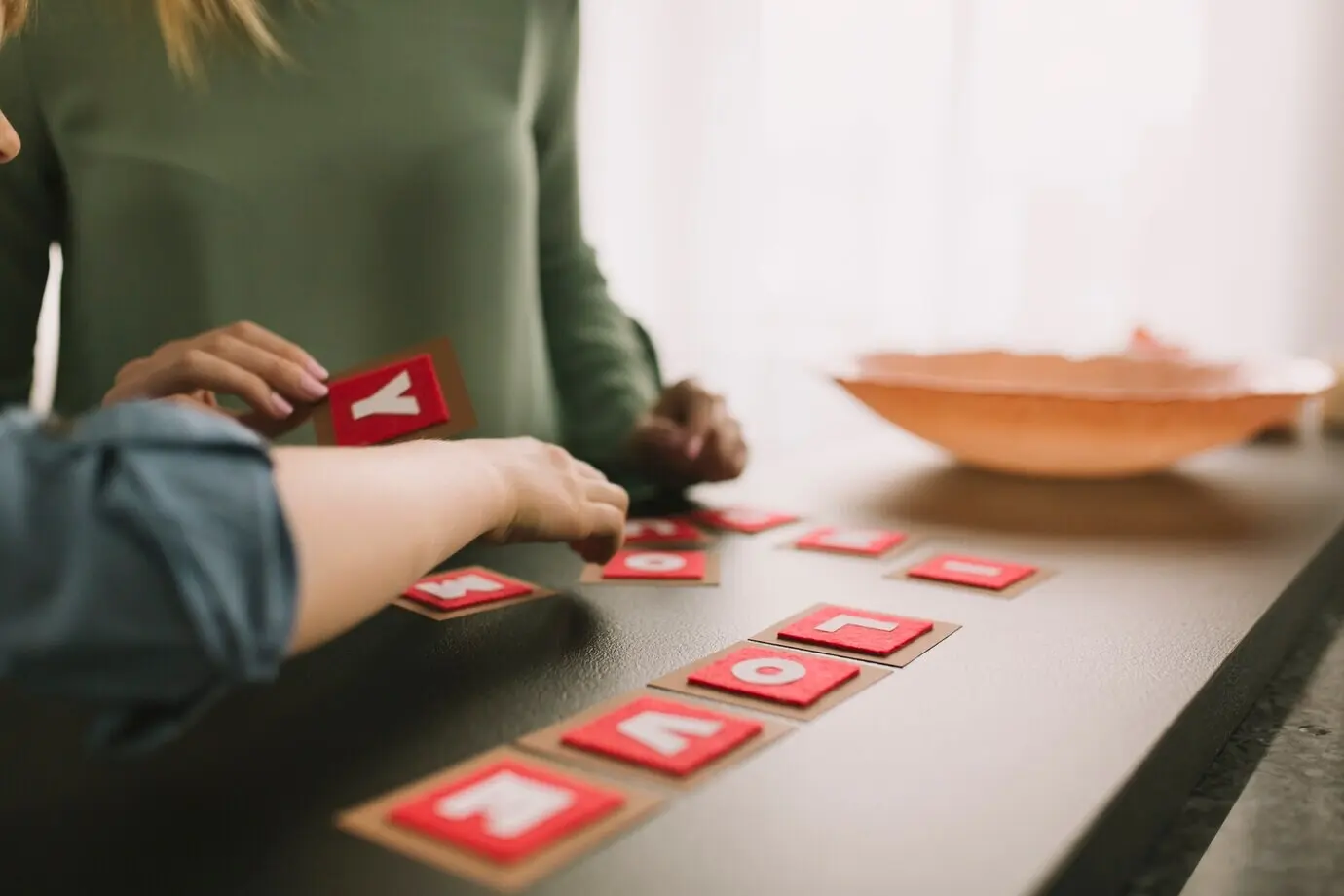
Environment often beats motivation because it shapes options before decisions occur. By making healthy pleasures obvious and easy, and by adding friction to unhelpful defaults, you align the path of least resistance with your goals. Implementation intentions turn vague hopes into ready scripts, while context stability accelerates habit formation. Stack new behaviors onto existing ones to leverage established neural pathways. When spaces, times, and prompts converge around joy that restores, the brain says yes with less effort every day.
Surf the Urge, Don’t Fight the Ocean
Urges rise, crest, and fall like waves. Observing them with curiosity rather than panic activates prefrontal circuits and reduces impulsive responses. Practice labeling sensations, slowing breath, and delaying action by a few minutes. During the delay, shift attention to a prepared, wholesome alternative. Repetition teaches your brain that urges are tolerable and temporary. Over time, their intensity and frequency diminish, while your confidence in choice grows. You become the surfer, balancing skillfully, instead of the swimmer caught in riptides.
Rewriting the Story in Working Memory
What you tell yourself in the moment shapes outcomes. Cognitive reappraisal replaces catastrophic or all-or-nothing scripts with narratives that restore nuance and choice. Pair reappraisal with a small, pleasant action to anchor the new meaning somatically. For example, a short walk while reframing a setback as a learning signal can transform a spiral into progress. These micro-interventions recruit dorsolateral and ventromedial control, gradually making healthier interpretations the default. The loop shifts from self-criticism to constructive, compassionate guidance.
When to Call in Reinforcements
If behavior feels unmanageable, enlist structured support. Share goals with a trusted friend, join a group aligned with your desired habit, or consult a clinician trained in evidence-based approaches. External scaffolding reduces ambiguity and offers accountability during vulnerable transitions. Tools like contingency management, digital blockers, and scheduled check-ins create breathing room while healthier pleasures take root. Seeking help is a strategic investment in stability, not a weakness. The sooner you build a community and toolkit, the faster resilience returns.
Breaking Loops That Hurt
When a routine begins to erode wellbeing, it is not a failure of character but a mismatch between cues, rewards, and regulation. Interrupting harmful loops involves changing context, adding supportive alternatives, and recruiting social accountability. Techniques like urge surfing, extinction training, and cognitive reframing weaken cue power while strengthening agency. The aim is not deprivation but replacement with pleasures that heal. With compassionate experimentation and clear boundaries, you can reclaim attention, stabilize mood, and rebuild trust with yourself.
The Walk That Replaced the Scroll

After months of restless evenings, a simple substitution transformed the night. The student placed shoes and headphones by the door, set a favorite playlist, and stepped out for ten minutes. The cue was obvious, the reward was immediate, and the routine became self-reinforcing. Sleep onset quickened, self-criticism softened, and study focus improved. This micro-shift illustrates how aligning a pleasant activity with a vulnerable time slot can propagate benefits across mood, attention, and identity, without demanding massive willpower.
The Lever, the Light, and the Lesson

In laboratory setups, a light paired with a reward teaches animals to anticipate, approach, and repeat. Humans are no different; notifications, smells, and times of day can pull us powerfully. The lesson is not to fear cues but to design them. By pairing your own signals with nourishing rewards, you reclaim the conditioning process. The same mechanisms that entrench unhelpful habits can cement restorative routines. Awareness plus design turns raw neuroscience into a friendly ally for everyday wellbeing.
A Team’s Two-Week Experiment

A small team added a two-minute shared gratitude and stretch break after their daily stand-up. The cue was the meeting’s final agenda item, the reward was laughter and relief, and the result was lower afternoon fatigue. Over ten workdays, they reported fewer reactive emails and quicker conflict repair. This tiny ritual did not fix everything, yet it shifted the emotional climate meaningfully. When groups adopt simple, pleasant practices, individual resilience scales into culture, amplifying protective effects across relationships and outcomes.
Your Weekly Practice Plan
Turn insights into action with a gentle seven-day experiment that emphasizes curiosity over perfection. You will map cues, select a nourishing pleasure, design supportive context, and track mood and energy changes. Keep each step small and repeatable. If you notice signs of compulsion or distress, scale back and recruit support. Celebrate tiny wins loudly to teach your brain that caring for yourself is rewarding now, not later. Share your reflections with our community to reinforce momentum and learn together.

All Rights Reserved.